

Whole-Home Ventilators in Southwest Michigan & Michiana
Bring fresh outdoor air into your home while helping reduce the energy loss associated with opening windows or using basic exhaust ventilation. Sun Services Heating & Air Conditioning installs whole-home ventilation systems throughout Southwest Michigan and the Michiana area, including Niles, Buchanan, South Bend, Mishawaka, Granger, and surrounding communities.
Energy Recovery Ventilators (ERVs) and other whole-home ventilation systems exchange stale indoor air for fresh outdoor air while helping retain some of the heating or cooling energy already used to condition your home. Sun Services can help determine which ventilation option is appropriate for your home, HVAC system, and indoor comfort needs.
Benefits of Whole-Home Ventilatio
Fresh-Air Ventilation
Introduces outdoor air into the home while exhausting stale indoor air.
Odor Control
Ventilation can help remove everyday indoor odors from cooking, pets, and other household activities.
Moisture Management
Proper ventilation can help manage excess indoor moisture and humidity depending on the system and outdoor conditions.
Energy Recovery
ERVs transfer energy between outgoing and incoming air streams to reduce heating and cooling losses associated with ventilation.
Controlled Ventilation
Provides a more controlled approach to exchanging indoor and outdoor air than relying on open windows.
Works With Your HVAC System
Whole-home ventilators can be integrated with compatible ducted HVAC systems to distribute fresh air throughout the home.
What Does a Whole-Home Ventilator Do?
A whole-home ventilator continuously or periodically exchanges indoor and outdoor air. Stale indoor air is exhausted from the home while fresh outdoor air is brought inside.
Unlike simply opening a window, energy recovery ventilation is designed to exchange air while transferring some of the heat—and, with an ERV, moisture—between the incoming and outgoing air streams. This can provide controlled ventilation while reducing the amount of conditioned energy lost during the process.
ERV vs. HRV: What's the Difference?
Energy Recovery Ventilator (ERV)
An Energy Recovery Ventilator transfers heat and some moisture between incoming and outgoing air streams. During heating and cooling seasons, this exchange can reduce the energy needed to condition incoming outdoor air while providing controlled ventilation.
Heat Recovery Ventilator (HRV)
A Heat Recovery Ventilator transfers heat between incoming and outgoing air streams but does not transfer moisture like an ERV. HRVs can be useful when you need ventilation and heat recovery without moisture transfer.
Then:
The right choice depends on your home, HVAC system, climate, indoor humidity conditions, and ventilation needs. Sun Services can evaluate your home and help determine the right ventilation system.
Does My Home Need a Ventilator?
Modern homes can be built or improved to reduce uncontrolled outdoor air leakage. While this can improve energy efficiency, some homes may benefit from additional controlled ventilation.
A whole-home ventilator may be worth considering if your home has lingering odors, excess moisture, stuffy indoor conditions, or if you want a controlled way to bring in outdoor air without relying on open windows.
Because every home's ventilation needs are different, proper system selection and installation are important.
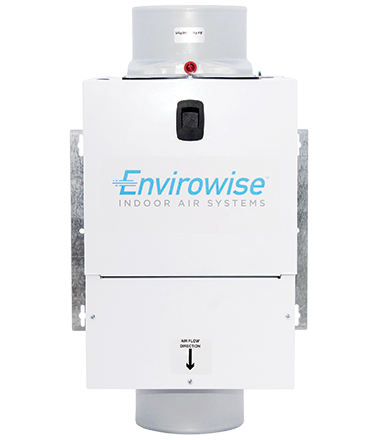
Inline Ventilator
An inline ventilation system provides controlled air exchange to help bring fresh outdoor air into the home and exhaust stale indoor air. Depending on the system and installation, it can provide a straightforward ventilation solution for homes that need additional fresh-air circulation.
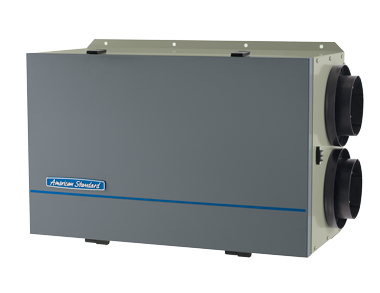
Energy Recovery Ventilator
An Energy Recovery Ventilator (ERV) exchanges stale indoor air for fresh outdoor air while transferring heat and moisture between the two air streams. This helps provide controlled ventilation while reducing some of the energy loss associated with bringing untreated outdoor air into the home.
Professional Ventilator Installation
Proper sizing, airflow, ductwork, controls, and integration with your home’s HVAC system matter for a whole-home ventilator installation.
Sun Services installs whole-home ventilation systems throughout Southwest Michigan and Michiana. Our team can evaluate your existing HVAC system and help determine a ventilation solution based on your home's layout, equipment, and ventilation needs.
Whole-Home Ventilator FAQs
This isn’t just a business—it’s a reflection of what we believe in. We’re here to create work that matters, led by a shared commitment to quality and care.
-
A whole-home ventilator is an HVAC system designed to exchange stale indoor air with fresh outdoor air in a controlled way. Depending on the type of ventilator, it may also transfer heat or moisture between incoming and outgoing air to help reduce energy loss during ventilation.
-
A whole-home ventilator brings outdoor air into the home while exhausting stale indoor air. This provides controlled air exchange and can help reduce stuffiness, lingering odors, and excess indoor moisture depending on the system and conditions.
-
An Energy Recovery Ventilator, or ERV, exchanges stale indoor air for fresh outdoor air while transferring heat and some moisture between the incoming and outgoing air streams. This allows the home to receive controlled ventilation while reducing some of the heating or cooling energy that would otherwise be lost during the ventilation process.
-
Both ERVs and HRVs exchange stale indoor air for fresh outdoor air while recovering heat between the two air streams. An ERV can also transfer some moisture, while an HRV primarily transfers heat. The right option depends on the home, HVAC system, climate, indoor humidity conditions, and ventilation needs.
-
Yes. Whole-home ventilators are designed to introduce outdoor air into the home while exhausting stale indoor air. Unlike simply opening windows, a whole-home ventilation system provides a more controlled method of exchanging indoor and outdoor air.
-
Yes. By exhausting stale indoor air and bringing in outdoor air, a whole-home ventilator can help reduce lingering odors from cooking, pets, and everyday household activities. Results can vary depending on the source of the odor, ventilation system, and conditions inside the home.
-
A properly selected ventilation system can help manage indoor moisture, but its effect on humidity depends on the type of ventilator, outdoor conditions, and the home itself. ERVs can transfer some moisture between incoming and outgoing air streams, while HRVs primarily transfer heat. A ventilator is not necessarily a replacement for a whole-home humidifier or dehumidifier when additional humidity control is needed.
-
Many whole-home ventilators can be integrated with compatible ducted heating and cooling systems, although installation requirements vary. The existing HVAC equipment, ductwork, available space, airflow requirements, and home layout can all affect installation. Sun Services can evaluate your system and help determine which ventilation options are compatible.
-
Yes. Whole-home ventilators require periodic maintenance to help maintain proper airflow and operation. Depending on the equipment, maintenance may include cleaning or replacing filters, inspecting the ventilation core, checking outdoor intake and exhaust openings, and inspecting other accessible components. Always follow the maintenance recommendations for your specific equipment.
-
Sun Services installs whole-home ventilators throughout Southwest Michigan and the Michiana area, including Niles, Buchanan, Cassopolis, Dowagiac, Edwardsburg, South Bend, Mishawaka, Granger, and surrounding communities. Call or text Sun Services at 269-684-3898 to discuss whole-home ventilation options.