Reasons to Add a Humidifier to your Home
Improves Comfort: Proper humidity makes indoor air feel warmer and more comfortable, reducing that dry, “chilly” feeling common in winter.
Supports Better Health: Balanced humidity can ease dry skin, chapped lips, irritated sinuses, sore throats, and respiratory discomfort. It may also help reduce snoring and improve sleep quality.
Protects the Home: Maintaining ideal humidity helps prevent wood floors, furniture, trim, and musical instruments from cracking, shrinking, or warping due to overly dry air.
Reduces Static Electricity: Adequate moisture in the air helps minimize static shocks and static buildup on clothing, furniture, and electronics.
Improves Indoor Air Quality: Proper humidity can help reduce airborne dust and allergens, making indoor air easier to breathe.
Increases Energy Efficiency: Humid air feels warmer than dry air, allowing homeowners to lower the thermostat while maintaining comfort—potentially reducing heating costs.
Whole-Home Benefits: A whole-house humidifier integrates with the HVAC system to evenly distribute moisture throughout the entire home, unlike portable units that only affect single rooms.
Overall, adding a humidifier creates a healthier, more comfortable living environment while protecting both occupants and the home itself.
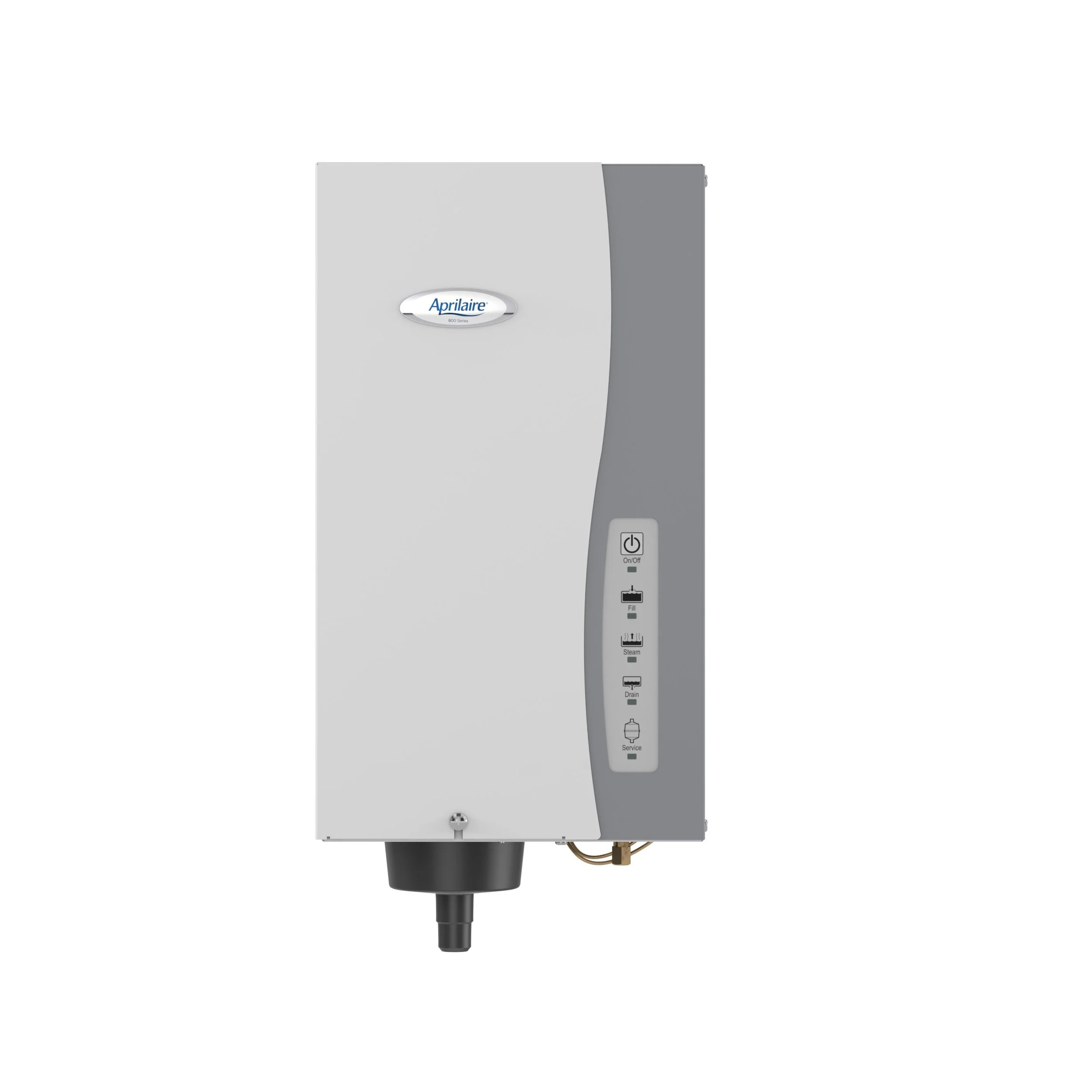
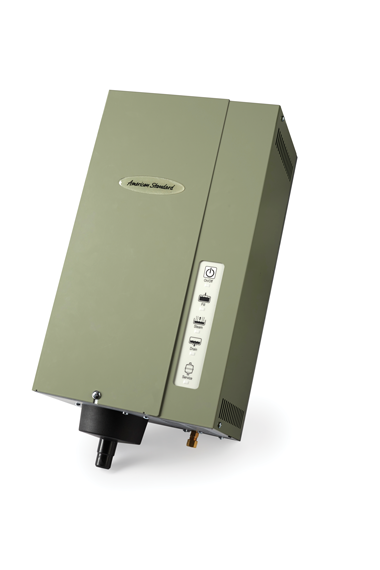
Benefits of Installing a Steam Humidifier
Improved Indoor Comfort: Steam humidifiers raise indoor humidity levels, helping create a more comfortable and balanced living environment—especially during dry winter months.
Health Benefits: Proper humidity can ease respiratory irritation, reduce dry skin and sinus issues, improve sleep quality, and enhance overall indoor air quality.
Whole-Home Coverage: When integrated with your HVAC system, steam humidifiers evenly distribute moisture throughout the entire home, unlike portable units that only affect single rooms.
Cost-Effectiveness: Although steam humidifiers have a higher upfront cost, they are typically more durable, require less frequent maintenance, and can outlast portable humidifiers—making them a smart long-term investment.
Safety and Reliability: When professionally installed, steam humidifiers operate safely and efficiently. Proper installation helps prevent risks such as electrical issues or improper moisture buildup.
Overall, a steam humidifier can significantly improve both comfort and health in your home when installed and maintained correctly.
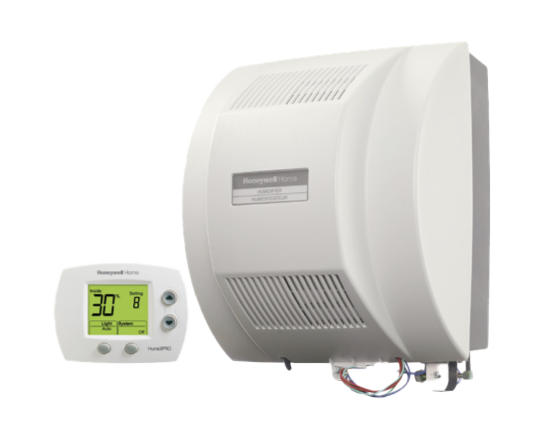
Improved Indoor Comfort: A bypass humidifier adds moisture to dry indoor air, helping your home feel warmer and more comfortable during the heating season.
Health Benefits: Proper humidity can reduce dry skin, irritated sinuses, sore throats, and static electricity, and may help ease respiratory discomfort.
Whole-Home Humidity Control: Installed directly into your HVAC system, a bypass humidifier distributes moisture evenly throughout the entire house—not just one room.
Energy Efficiency: By improving comfort, higher humidity levels can allow you to lower your thermostat slightly while still feeling warm, potentially reducing heating costs.
Low Maintenance & Reliable: Bypass humidifiers have a simple design with fewer moving parts, making them durable, reliable, and easy to maintain.
Cost-Effective Solution: Compared to steam humidifiers, bypass humidifiers are more affordable upfront and economical to operate.
Reduced Static & Home Protection: Maintaining proper humidity helps reduce static shocks and protects wood floors, furniture, and musical instruments from cracking or warping.
Overall, a whole-house bypass humidifier is an efficient, dependable, and budget-friendly way to improve comfort and air quality throughout your home.
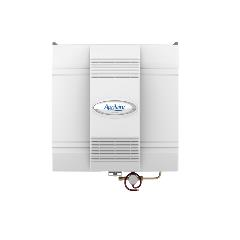
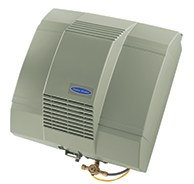
Benefits of a Whole-House Bypass Humidifier
Steam Humidifier vs. Bypass Humidifier
Moisture Output
Steam Humidifier: Produces steam by boiling water, delivering precise and high levels of humidity—even in very dry conditions.
Bypass Humidifier: Uses warm air from the furnace to evaporate water through a pad, providing moderate humidity levels.
Humidity Control
Steam: Highly accurate control; works independently of furnace runtime.
Bypass: Dependent on furnace operation; less precise humidity control.
Whole-Home Performance
Steam: Ideal for larger homes or homes with higher humidity demands.
Bypass: Best suited for small to mid-sized homes with standard humidity needs.
Energy & Water Use
Steam: Uses electricity to boil water; higher energy consumption.
Bypass: Uses minimal electricity; lower operating costs but higher water waste due to drain flow.
Installation Cost
Steam: Higher upfront cost and more complex installation.
Bypass: More affordable and simpler to install.
Maintenance
Steam: Requires periodic canister or electrode replacement and more maintenance.
Bypass: Simple annual pad replacement; minimal upkeep.
Airflow Requirements
Steam: Does not rely on HVAC airflow.
Bypass: Requires airflow and ductwork to function properly.
Best Use Case
Steam Humidifier: Homeowners wanting maximum comfort, precise control, and premium performance.
Bypass Humidifier: Homeowners looking for an economical, reliable solution with basic humidity control.
Summary
Choose steam for performance, precision, and large homes.
Choose bypass for simplicity, affordability, and lower operating costs.